
CUSTOM DTG Print T-Shirts Printed in Our Own Facility
Star Faith International manufactures DTG printed t-shirts for UK streetwear labels, merch companies and small-batch brands that need photographic or full-colour artwork reproduced accurately on cotton. Because the printers, the pre-treatment line and the curing ovens all sit inside our own factory in Sialkot, Punjab, print quality is set against your approved sample and held consistent across the full production run rather than varying batch to batch. Minimum order: 50 pieces per design, per colourway.
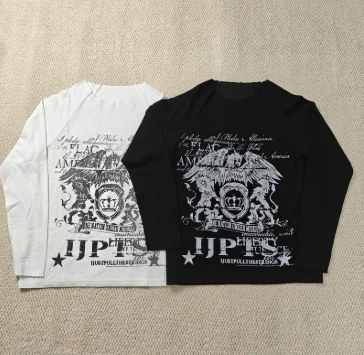
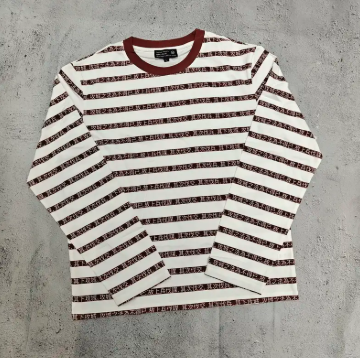
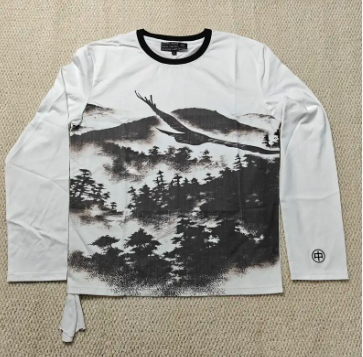
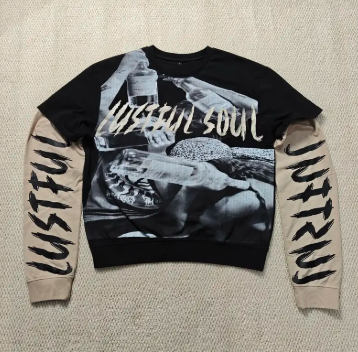
What DTG Printing Is Good At (and Where It Isn’t the Right Choice)
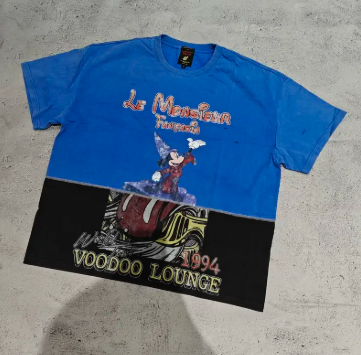
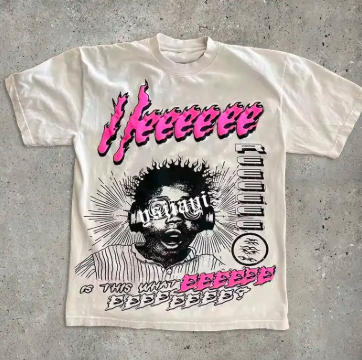
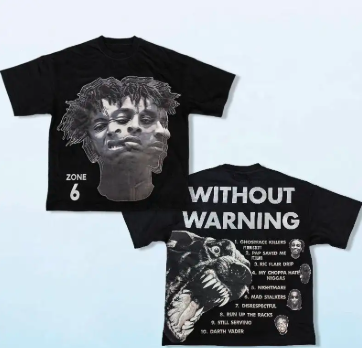
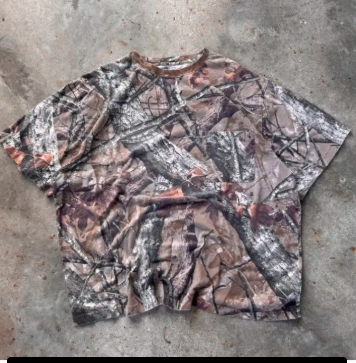
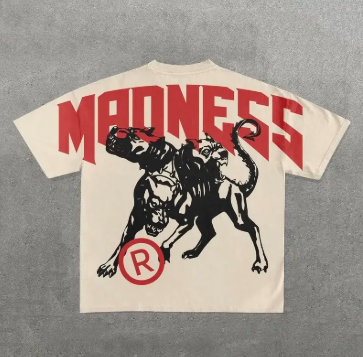
Direct-to-garment printing sprays water-based ink directly onto the fabric surface using an inkjet-style print head, calibrated for textile rather than paper. That makes it the right method for artwork that other techniques struggle with: photographic images, fine gradients, multi-colour designs and detailed line work that would need a separate screen for every colour if run as screen print.
It isn’t always the cheapest or most durable route for every design. Large blocks of solid colour and single-colour logos are usually better suited to silk screen printing, both for cost per unit at volume and for how the ink sits on the fabric long-term. We’ll flag this at the quoting stage if your artwork would genuinely print better, or cheaper, using a different method.
Direct-to-garment printing applies water-based ink straight onto the fabric through a specialised inkjet head, much like printing a photograph onto paper. Because the image builds up digitally instead of through layered screens, DTG handles gradients, fine detail, and unlimited colours in a single pass at one flat cost, making it the natural choice for photographic artwork and shorter runs.
Why Cotton Content Matters More on a Tee
DTG ink bonds to natural fibre far more readily than to polyester, and a t-shirt’s thinner, flatter construction makes any inconsistency in that bond more visible than it would be on a textured fleece. We recommend 100% cotton or a high cotton-content blend for DTG work specifically, and will flag it if your chosen fabric is likely to print unevenly.
It isn’t always the cheapest or most durable route for every design. Large blocks of solid colour and single-colour logos are usually better suited to silk screen printing, both for cost per unit at volume and for how the ink sits on the fabric long-term. We’ll flag this at the quoting stage if your artwork would genuinely print better, or cheaper, using a different method.
Direct-to-garment printing applies water-based ink straight onto the fabric through a specialised inkjet head, much like printing a photograph onto paper. Because the image builds up digitally instead of through layered screens, DTG handles gradients, fine detail, and unlimited colours in a single pass at one flat cost, making it the natural choice for photographic artwork and shorter runs.
White Ink on Dark Tees
Printing light or white artwork on a dark t-shirt requires a white ink underbase laid down before the colour layers. This adds a processing step and affects both cost and wash durability, so dark-garment orders are quoted separately from light-garment orders rather than treated as identical jobs.
Fabric, Fit and Construction Specifications
- Base fabric:160 to 220 GSM combed cotton or cotton-poly blend
- Print method: Direct-to-garment, water-based ink, pre-treated fabric
- Print area: Front, back and sleeve printing available
- Fits available: Regular, boxy, oversized, cropped (custom blocks on request)
- Standard features: Rib-knit or self-fabric crew neck, double-stitched hems
- Size range:XS to 4XL, custom grading available
- Minimum order: 50 pieces per design, per colourway
- Lead time: 12 to 18 working days after sample approval
How We Build a DTG Print T-Shirt
1. Artwork Preparation
Your file is checked for resolution, colour profile and print size before anything runs. Low-resolution artwork that looks fine on a screen often prints visibly soft on fabric, and we flag this before production rather than after you’ve received a finished batch.
2. Pre-Treatment
Garments are pre-treated to prepare the fabric surface for ink bonding. This step is calibrated to the specific fabric weight and colour of your chosen tee, not applied as a blanket setting.
3. Printing and Curing
Artwork is printed directly onto the garment, then heat-cured to fix the ink into the fabric. Curing temperature and time are set precisely, since under-curing is the main cause of prints that crack or fade early.
4. Sample Approval
A physical sample is produced and approved before bulk production begins, so colour accuracy and print placement are confirmed on fabric rather than on a screen render.
5. Three-Stage Quality Check and Dispatch
meaning import duty and VAT are settled before your shipment arrives, or on FOB terms if you’d rather clear customs through your own forwarder.
Combining DTG With Other Finishes
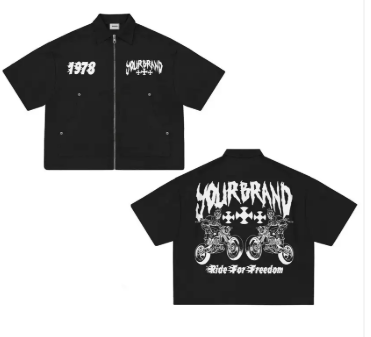
DTG printing pairs well with embroidery, most commonly a photographic DTG graphic on the body with an embroidered logo at the chest or sleeve. Because both processes run in-house, this doesn’t add a second vendor or an extra shipping leg to your timeline.
If your design needs a textured or raised element alongside photographic detail, puff print can be run on the same garment for the lettering while DTG handles the detailed artwork. A vintage washed finish is also available through our garment dye and wash line, applied before printing so the wash doesn’t affect a cured graphic.
Finishing is completed with woven neck labels and hang tags and retail-ready packaging through our private label service.
A Factory That Pre-Treats Properly, Not One That Skips It
Print quality on DTG is decided almost entirely by steps a buyer can’t see in a product photo: pre-treatment, curing temperature and fabric preparation. A trading agency sourcing this product from a third-party print shop often has no visibility into whether those steps were done properly, and won’t be the one dealing with a batch of prints that crack after a few washes.
Frequently Asked Questions
What kind of artwork is DTG printing best for on a t-shirt?
Photographic images, fine gradients, multi-colour designs and detailed line work. It’s less cost-effective than screen printing for large blocks of solid colour or single-colour logos at high volumes, and we’ll flag that at the quoting stage if it applies to your design.
Does DTG printing crack or fade after washing?
Not when pre-treatment and curing are done correctly. Cracking and early fading are almost always caused by under-curing or skipped pre-treatment rather than a limitation of the process itself.
Why do DTG prints look better on cotton than polyester?
DTG ink bonds to natural fibre far more readily than to synthetic fibre. A high cotton-content fabric gives a cleaner, more even print, which is why we recommend 100% cotton or a high cotton blend specifically for DTG work.
What is the minimum order for DTG print t-shirts?
50 pieces per design, per colourway, roughly a quarter of the 200 or more piece minimum most trading agencies quote UK brands.
How long does DTG printing add to the lead time?
DTG t-shirts ship within the same 12 to 18 working day window as our other decoration methods, once sample approval is confirmed.
Can you print white or light artwork on a dark t-shirt?
Yes. Dark garments need a white ink underbase printed before the colour layers, which is quoted separately from light-garment printing since it adds a processing step.
Can I combine DTG printing with embroidery on the same t-shirt?
Yes, commonly a DTG graphic on the body with an embroidered logo at the chest or sleeve. Both run in-house, so combining them doesn’t add a second vendor to your production timeline.
Do you ship DTG print t-shirts to the UK, and who handles customs?
Yes, the UK is one of our main export markets. We ship on DDP terms on request, meaning import duty and VAT are settled before your shipment arrives. FOB is available if you’d rather clear customs through your own freight forwarder.
Can you match a specific colour from my brand guidelines?
Yes. Send your Pantone references or brand colour codes and we’ll match as closely as the DTG process and fabric allow, confirmed on your approved sample before bulk production.
Can I add my own brand labels to DTG print t-shirts?
Yes. Woven neck labels, hang tags, care labels and retail-ready packaging can all be added through our private label service before dispatch, so garments arrive ready to sell.
Get a Quote on DTG Print T-Shirts
Share your design, target quantity, and delivery country and our team will reply within one business day with pricing and lead time.
