
CUSTOM VINTAGE WASHED T-SHIRTS Garment-Dyed for a Broken-In Feel
Star Faith International manufactures vintage washed t-shirts for streetwear and contemporary fashion labels that want a soft, broken-in hand-feel straight off the production line rather than relying on the customer’s own washing machine to get there. Garment dyeing and enzyme washing both happen inside our own facility in Sialkot, Punjab, so softness and colour tone are controlled on your approved sample and repeated across the full run. Minimum order: 50 pieces per style, per colourway.
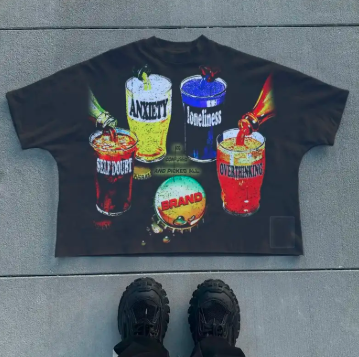
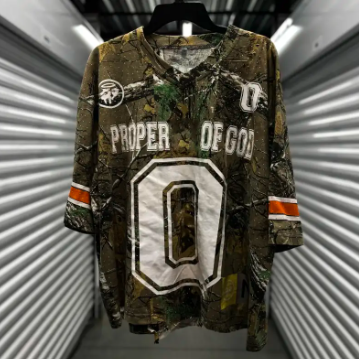
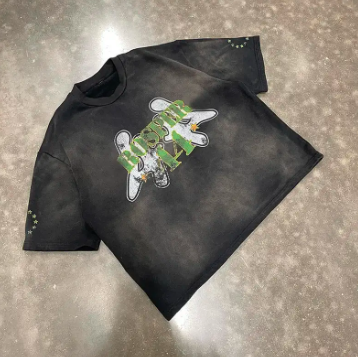
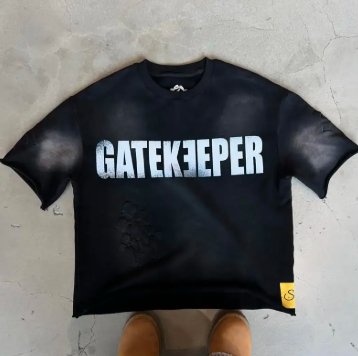
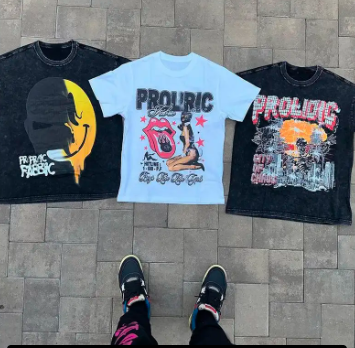
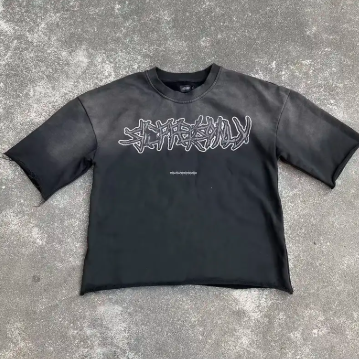
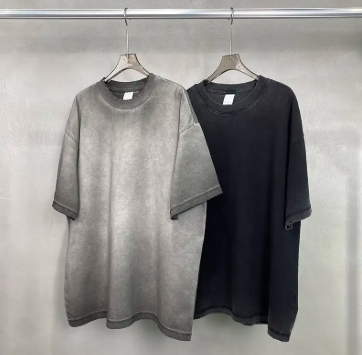
What Gives a Vintage Washed Tee Its Hand-Feel
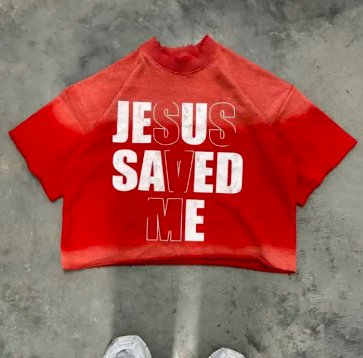
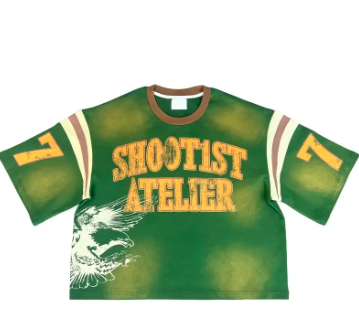
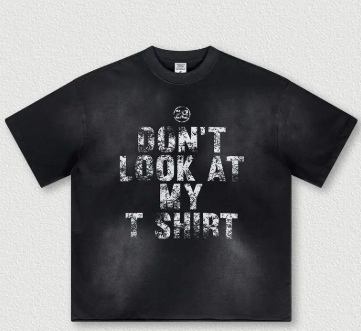
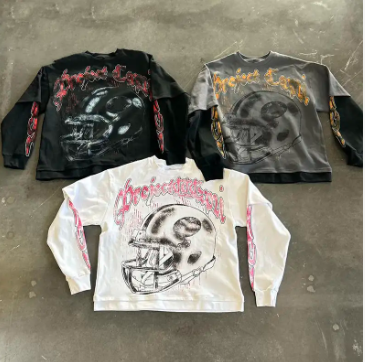
Vintage washing isn’t one process but a combination of two: garment dyeing, where the finished tee is dyed after construction rather than the fabric being dyed before cutting, and enzyme washing, where a biological wash breaks down surface fibres to soften the hand-feel and give the fabric a worn, lived-in texture. Dyeing after construction, rather than before, is what gives vintage-washed garments their characteristic soft, slightly uneven tone, since the dye takes to seams and high-wear areas a little differently than it does to the flat body of the fabric.
Garment Dye vs Piece Dye
Piece dyeing colours the fabric roll before it’s cut and sewn, giving a flat, completely even tone. Garment dyeing colours the finished tee after construction, which produces the slightly uneven, washed-in tone that reads as vintage rather than new-off-the-shelf. We run garment dye specifically for this product because piece-dyed fabric can’t reproduce the same effect no matter how it’s finished afterward.
Enzyme Washing for Hand-Feel
Enzyme washing uses a controlled biological process to soften cotton fibres without the heavy fading or wear-damage of a stone or acid wash. It’s a gentler process aimed at feel rather than visual distress, which is why a vintage washed tee looks closer to a well-loved favourite than a deliberately aged streetwear piece.
Fabric, Fit and Construction Specifications
- Base fabric: 160 to 220 GSM combed cotton or cotton-poly blend
- Finishing process: Garment dye, enzyme washed for softness
- Fits available: Regular, boxy, oversized, cropped (custom blocks on request)
- Standard features: Rib-knit or self-fabric crew neck, double-stitched hems
- Size range: XS-4XL, custom grading available
- Minimum order: 50 pieces per style, per colourway
- Lead time:12 to 18 working days after sample approval, wash process included
Cotton content matters more here than on most tees, since enzyme washing works on natural fibre. A high cotton-content fabric gives a noticeably softer result than a poly-heavy blend run through the same wash cycle.
How We Build a Vintage Washed T-Shirt
1. Colour and Wash Sample
We confirm your base colourway and wash intensity on a lab-dip sample before anything goes into bulk, so you approve a physical piece rather than a colour swatch under studio lighting.
2. Cut and Sew
Blank garments are cut and sewn on our own floor in undyed or base-coloured fabric, since the dye stage happens after construction rather than before.
3. Garment Dye and Enzyme Wash
Finished garments are dyed, then enzyme washed to soften the hand-feel. Wash time and enzyme concentration are recorded against your approved sample so repeat orders land in the same tone and softness range.
4. Bulk Decoration
Any post-wash decoration, such as embroidery or printing, is applied once the dye and wash stages are complete, so graphics sit cleanly on the finished fabric rather than being affected by the wash process.
5. Three-Stage Quality Check and Dispatch
Fabric is inspected before cutting, dye tone and wash consistency are checked in-line, and every garment is checked again before packing. Orders ship to the UK on DDP terms, meaning import duty and VAT are settled before your shipment arrives, or on FOB terms if you’d rather clear customs through your own forwarder.
Adding Decoration and Branding
Because decoration is applied after the dye and wash stages, graphics sit cleanly on the finished fabric rather than being faded or cracked by the process. Embroidery suits chest logos, DTG printing handles photographic or multi-colour artwork, and screen printing suits bold solid-colour graphics at volume. All of these run in-house, so decoration doesn’t add a second vendor or an extra shipping leg to your timeline.
If you’re after a more distressed, higher-contrast finish rather than a soft vintage tone, our acid wash process is the better fit, it’s a visually different effect from garment dye and enzyme washing, aimed at a mottled, worn look rather than an even, softened one.
Private label packaging with woven neck labels and hang tags can be added through our private label service, so garments arrive ready to sell.
Frequently Asked Questions
What’s the difference between vintage washed and acid washed t-shirts?
Vintage washing uses garment dye and an enzyme wash to produce a soft, evenly worn hand-feel with a gently uneven tone. Acid washing uses an oxidising agent to create a high-contrast, mottled pattern. Vintage wash aims for a soft, lived-in favourite; acid wash aims for a visibly distressed streetwear finish.
Why does garment dyeing look different from regular dyed fabric?
Regular, or piece-dyed, fabric is coloured before cutting and sewing, giving a completely flat, even tone. Garment dyeing colours the finished tee after construction, so the dye takes slightly differently to seams and high-wear areas, producing the uneven, washed-in tone associated with vintage pieces.
Will enzyme washing weaken the fabric?
Not when it’s properly controlled. Enzyme washing is a gentler process than acid or stone washing, aimed at softening the hand-feel rather than aggressively abrading the fabric. Wash time and enzyme concentration are calibrated and logged rather than estimated.
What is the minimum order for custom vintage washed t-shirts?
50 pieces per style, per colourway, roughly a quarter of the 200 or more piece minimum most trading agencies quote UK brands.
Will every t-shirt in my order have exactly the same tone?
Garment dyeing produces a natural, slight variation piece to piece, which is part of the finish’s character rather than a defect. We control the overall tone range by logging dye time and wash settings against your approved sample, so the batch lands within an agreed tolerance.
How long does the vintage wash process add to lead time?
Vintage washed t-shirts ship 12 to 18 working days after sample approval, including the dye and wash cycle.
Can I add graphics or embroidery to a vintage washed t-shirt?
Yes. Embroidery, DTG printing and screen printing are all applied after the dye and wash stages, so graphics sit cleanly on the finished fabric.
What fabric works best for a soft vintage wash finish?
A high cotton-content fabric gives a noticeably softer result than a poly-heavy blend, since enzyme washing works on natural fibre. We recommend 100% cotton or a cotton-dominant blend for this product specifically.
Do you ship vintage washed t-shirts to the UK, and who handles customs?
Yes, the UK is one of our main export markets. We ship on DDP terms on request, meaning import duty and VAT are settled before your shipment arrives. FOB is available if you’d rather clear customs through your own freight forwarder.
Can I add my own brand labels to vintage washed t-shirts?
Yes. Woven neck labels, hang tags and retail-ready packaging can be added through our private label service before dispatch, so garments arrive ready to sell.
Get a Quote on Vintage Washed T-Shirts
Share your design, target quantity, and delivery country and our team will reply within one business day with pricing and lead time.
